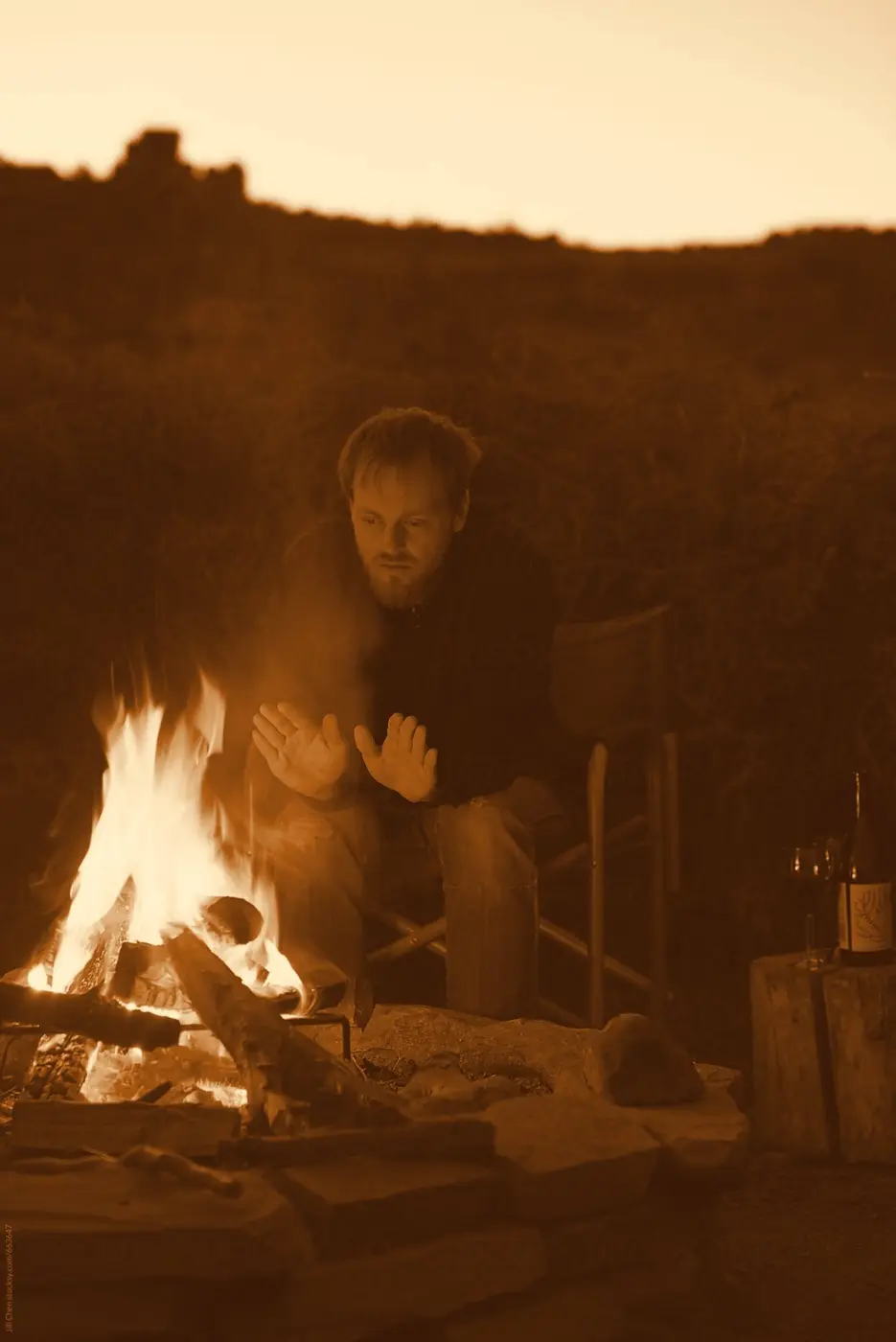
When it warms
It feeds, warms and protects.
Local profits stay local. Cultural authority remains intact. Visitors come on community terms. Tourism becomes a tool for sovereignty, not a threat to it.
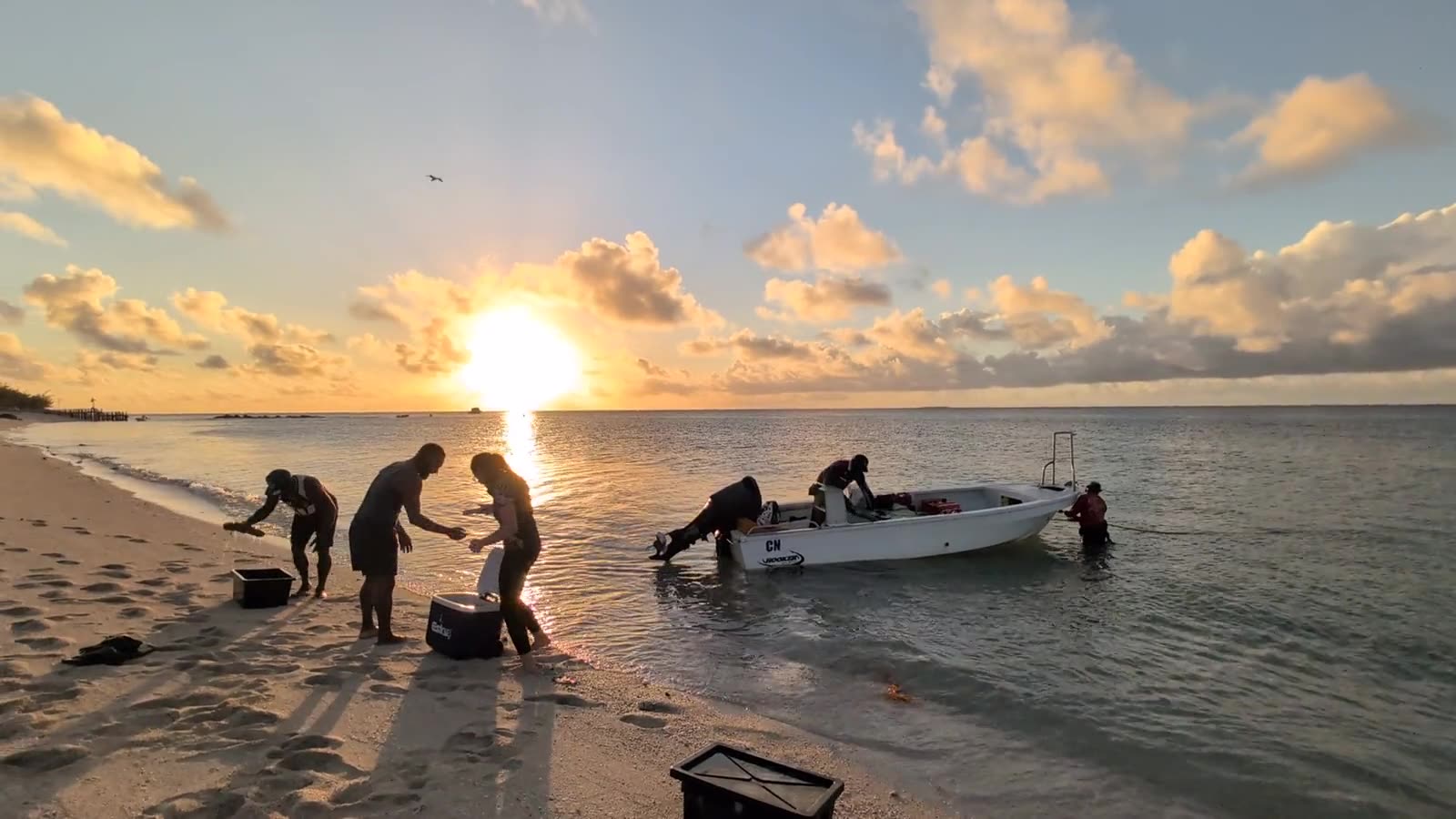
Landing the boat at sunset. Emver Partners footage.
Managed well, it feeds a community. Left to run, it burns the house down.
A one-day program for Indigenous, remote and island communities and businesses across northern Australia. Work out what tourism to accept and what to refuse, what to charge, and how to use AI safely to protect what matters most.
Most operators we meet aren't asking how to do more with AI. They're asking whether it's safe to use at all, and whether their stories, sites and prices will end up somewhere they can't get them back. Every session starts there.
Guest details, partner contracts marked confidential and anything about sacred or restricted places.
Stories, songs, language and images of Country stay out of public AI tools unless Traditional Owners have said yes.
What free and paid tools do with what you type, explained in plain English.
AI is confident and often wrong. How to test a price, a contract summary or a marketing line before you rely on it.
Permissions for sites, cultural protocol and sorry business stay with people, not software.
Leaving with a plain-language AI use guide your business or PBC can adopt.
Tourism is like Fire was piloted on Badu Island in 2025 as part of a wider session with local tourism participants, and was warmly received.The program you book today is an expanded version built on that pilot.
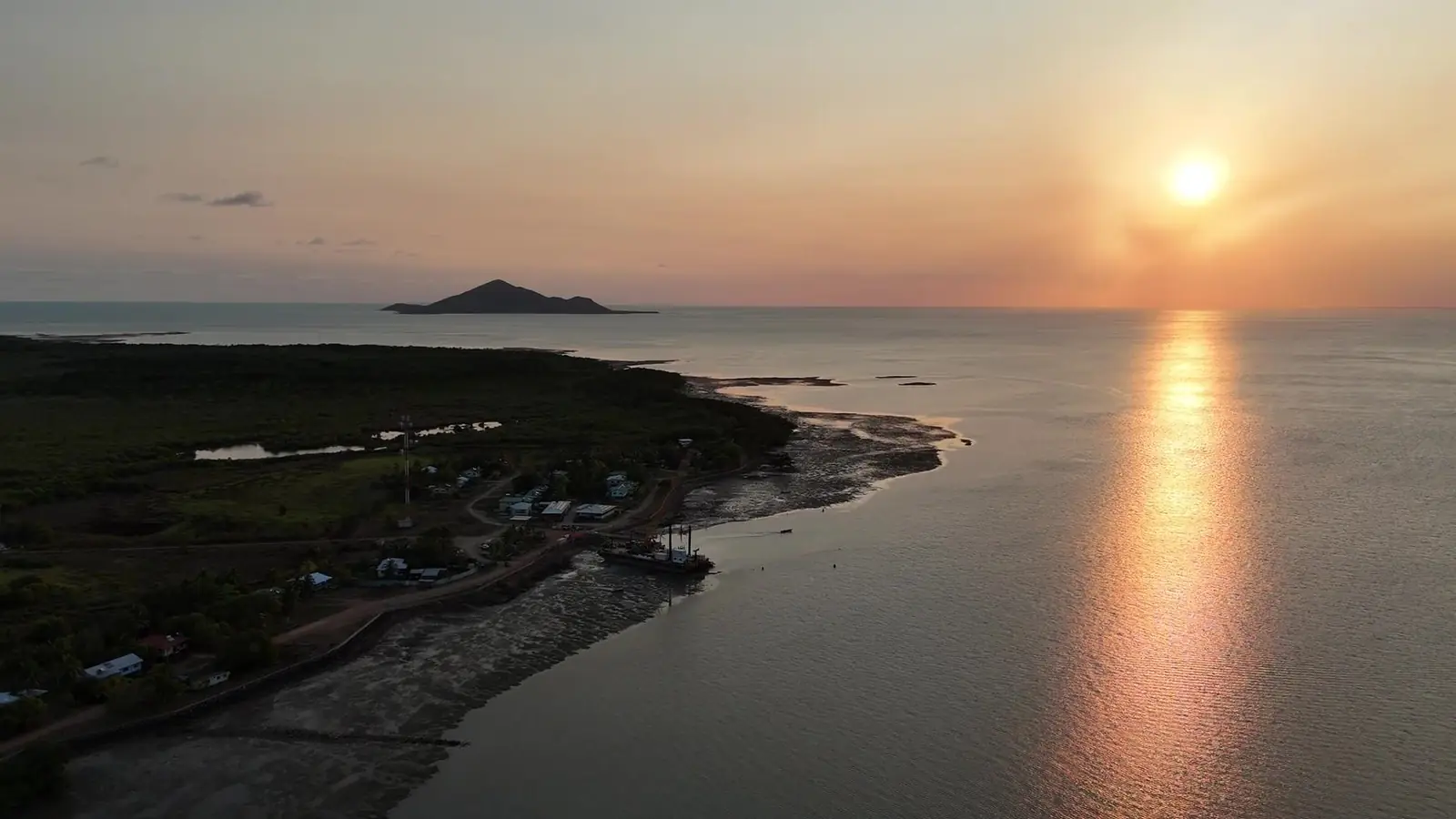
Tourism in remote northern Australia is not optional. It will arrive whether communities are ready for it or not. What matters is who decides how it lands, and who has the tools, the pricing power and the language to keep their hand on the wheel.
Local profits stay local. Cultural authority remains intact. Visitors come on community terms. Tourism becomes a tool for sovereignty, not a threat to it.
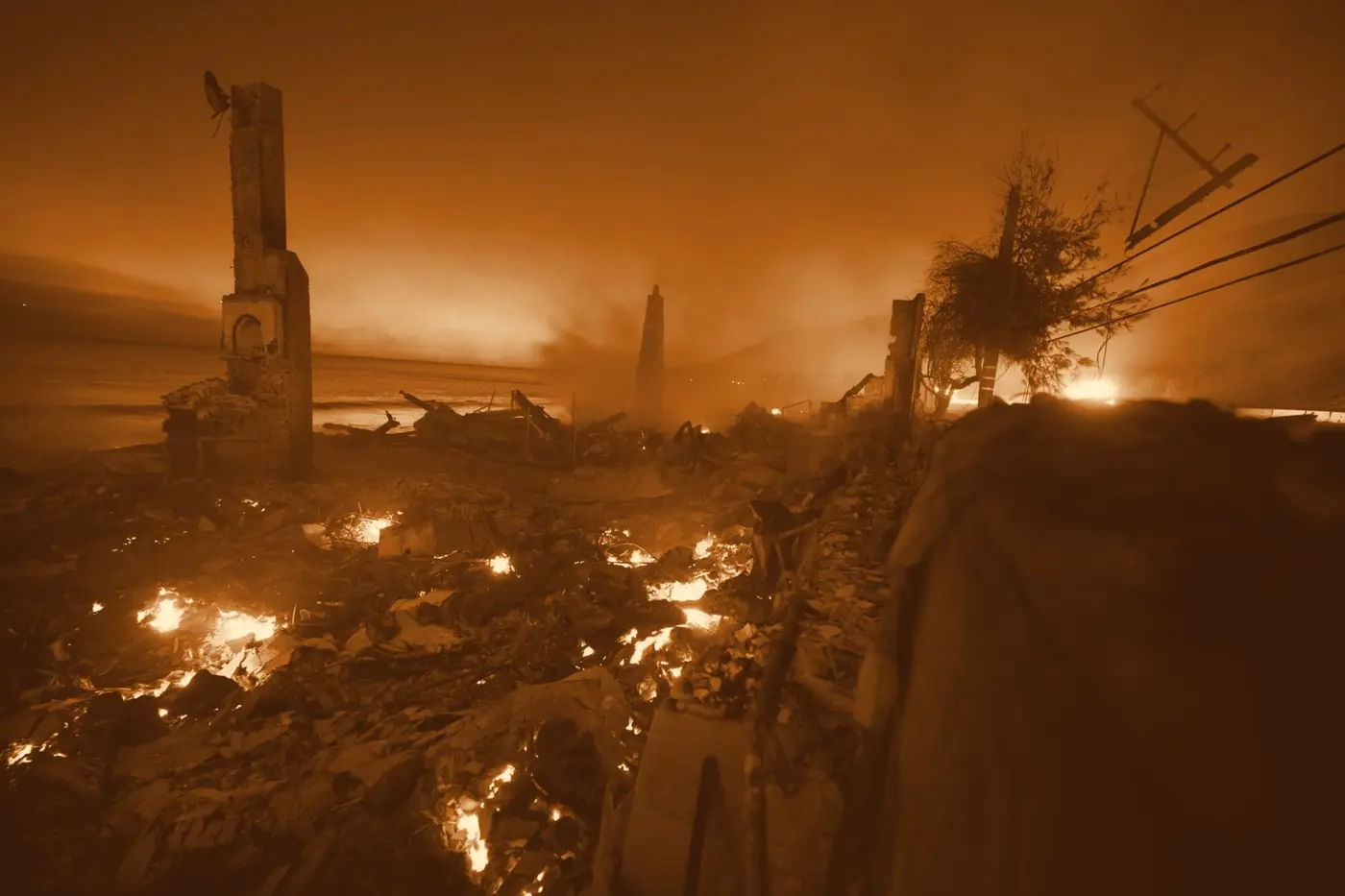
Outsiders capture the value. Sacred places become attractions. Pricing and partnerships favour the wrong people. Culture gets sold instead of shared.
Tap or hover either side to hold it.
Tourism is like Fire works best with mixed groups: operators and the agencies that fund them, working the same problems side by side. That is how the industry actually runs in remote northern Australia.
Every example below is documented. Some communities lost decades. Others built lasting wealth. The difference was who held the match.
Overseas and Australian case studies used in the program. Images are for illustration.
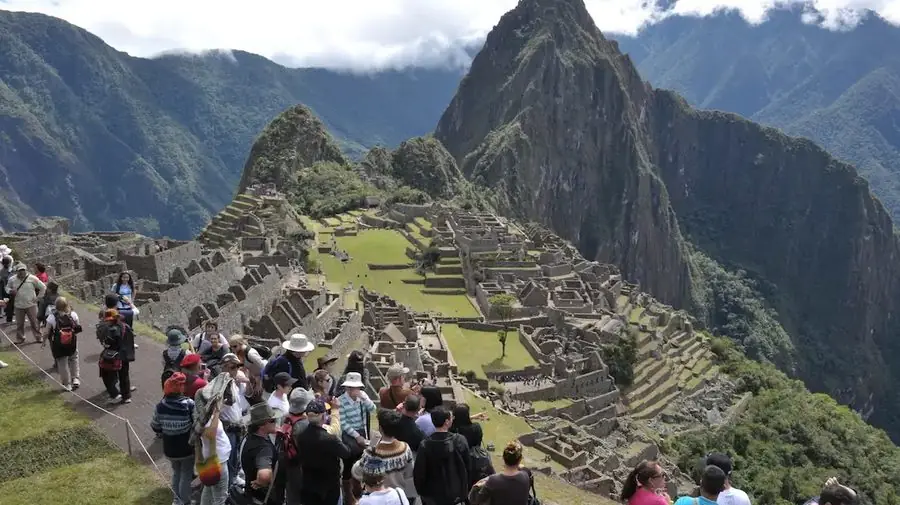
Peru
Millions visited annually. Local Indigenous communities had little control over site access, storytelling or tourism revenues.
Even iconic destinations suffer without community leadership. Cultural control matters as much as conservation.
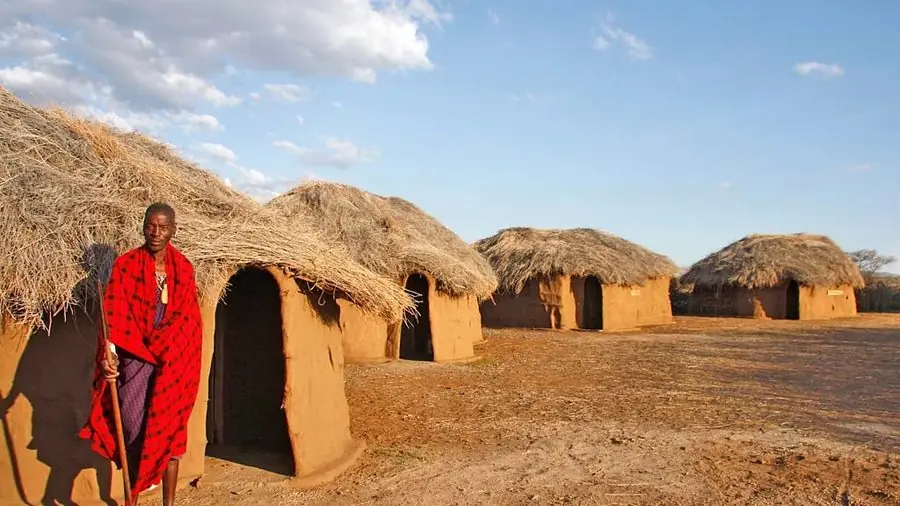
Kenya & Tanzania
Safari operators added "cultural visits" to villages, often without consent. Traditional life became staged performance for visitors.
Cultural identity must be shared, not sold. Without consent, tourism becomes voyeurism and deepens inequality.

Indonesia
Outside investors drove mass tourism growth with little local input or limits. Cultural sites became entertainment venues.
Without limits, tourism overwhelms. Protecting cultural values and environmental boundaries is essential.
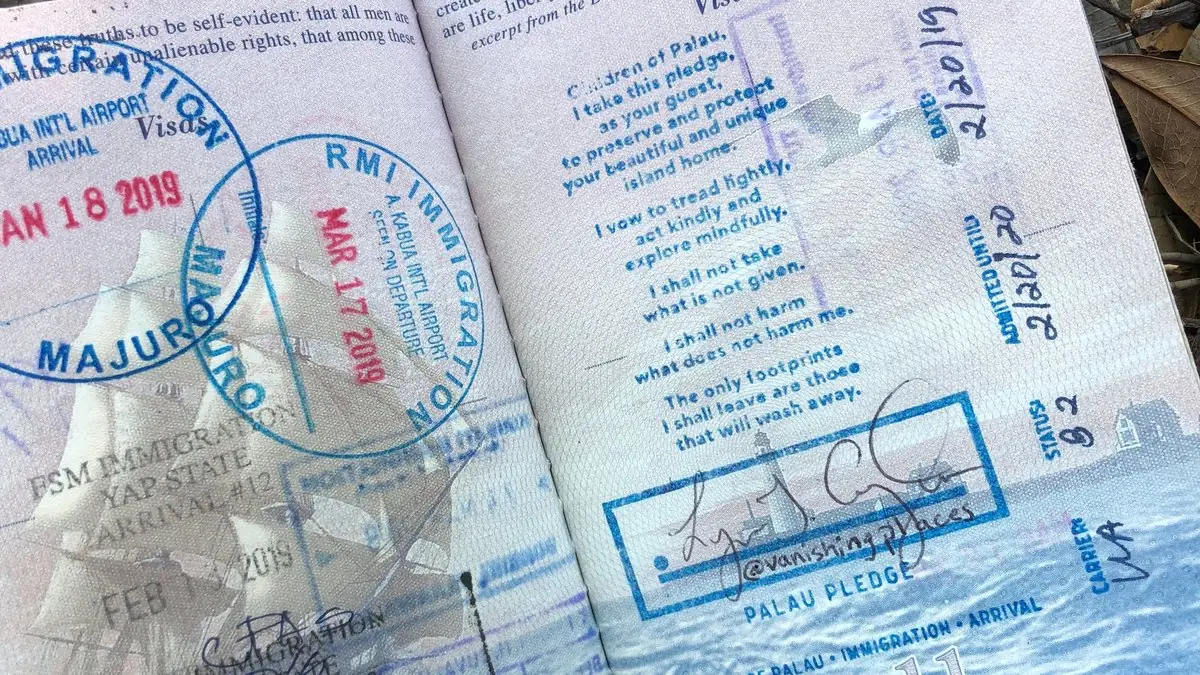
Western Pacific
Every visitor signs a pledge in their passport on arrival, committing to act responsibly toward the environment and culture of Palau.
A symbolic, visible commitment sets visitor expectations before they step off the plane. Tourism becomes a shared responsibility.
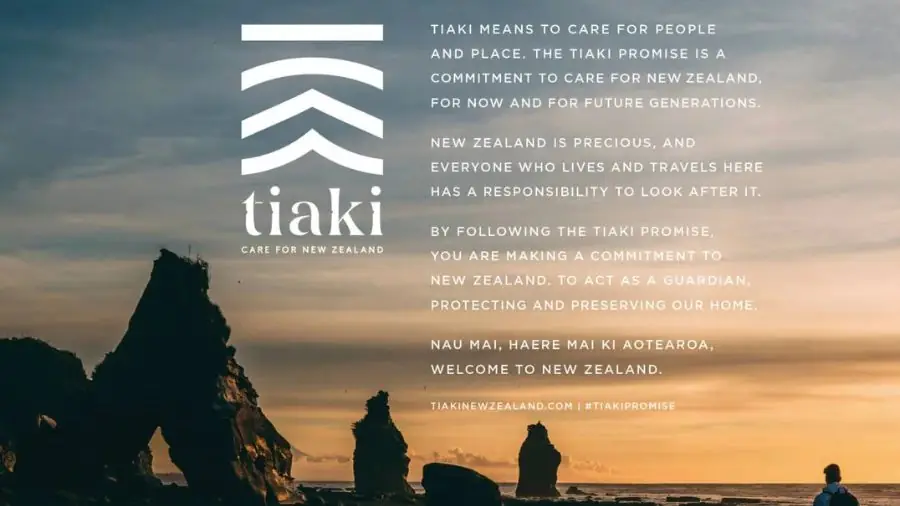
Aotearoa New Zealand
A national commitment asking visitors to care for the land, sea and culture. Promoted at the border, in marketing and at sites across the country.
A whole-of-nation story about caring for place can shape visitor behaviour without requiring permits, fines or fences.
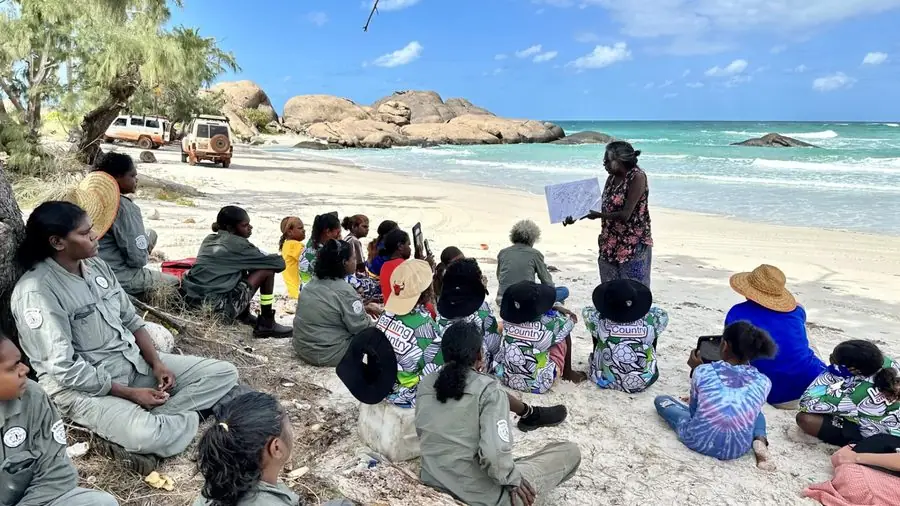
Arnhem Land, NT
Yolŋu Traditional Owners established a permit system for access to Country. No requirement to provide tours or experiences.
Access-only models let culture lead, not perform. Tourism adds value without eroding significance or sovereignty.
Mornings set up the big picture and bring AI in as a protective tool. In the afternoon the room becomes a workshop: people bring their own problems and we work through them together.
Session times and content are indicative and may change to suit your group, location and needs.
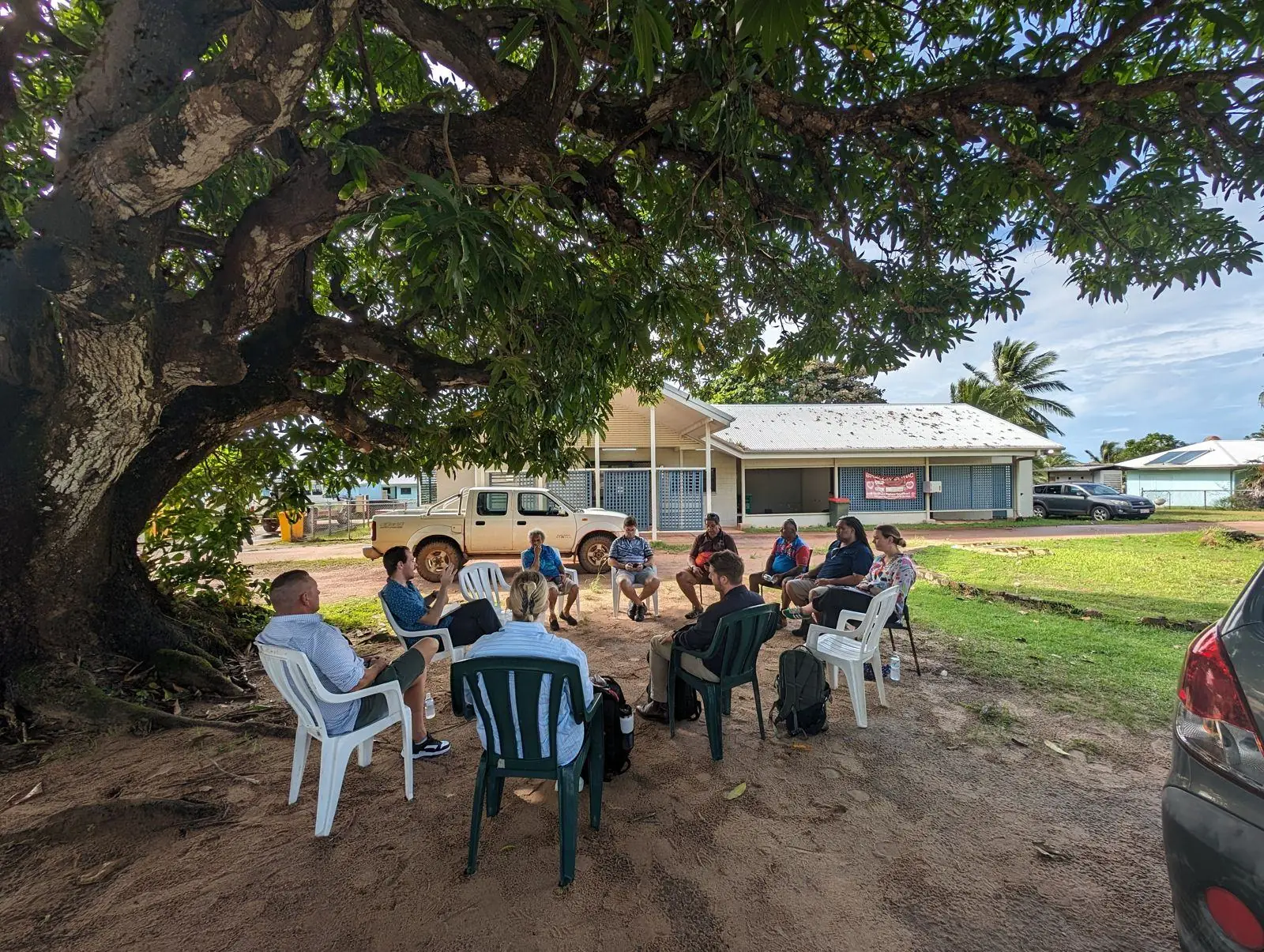
A staff consultation under the trees on Badu Island in 2024.
The fire metaphor unpacked. Feeding the community or burning the house down, shown through documented case studies. Machu Picchu, Bali, Maasai villages on one side. The Palau Pledge, New Zealand's Tiaki Promise, Dhimurru and the Galapagos on the other. Participants begin to map their own position on the spectrum.
A working tour through the structures that quietly extract value: revenue splits dressed up as partnerships, packaged tours that sell your story without your name on it, pricing models built for the city rather than the remote north. We name the patterns out loud so people can spot them in the wild.
The first AI module of the day starts with safety: what AI is, what it keeps and what never goes into it. Then a live demonstration using the RACE Framework to put a sample tourism contract through an AI review, testing it against market realities and flagging exploitative clauses. Participants watch the method before lunch and pick up the tools after.
Lunch is part of the program, not an interruption. Catered, informal and built into the day. The morning is heavy material, so the lunch hour gives people room to think, talk with other operators and come back with a clear head.
We open a shared, structured conversation across the room where participants bring the operational problems they walked in with. Pricing questions, contract clauses, partner conversations they're stuck on, marketing language that doesn't feel right. The facilitator surfaces patterns and we start unpacking them as a cohort.
Hands-on AI workshop. Each participant builds a small prompt library tuned to their own operation, using the RACE Framework. We cover what to put in, what to keep out, and how to make AI useful from a phone in a remote location. By the end of this session everyone has working tools, not just notes.
The closing module. Each participant leaves with a one-page tourism position statement, a working pricing baseline and a 90-day action plan. No fluff. Things that work on Monday morning. We close together as a group.
Voice-over recordings of each session, the workbook, the AI toolkit and updates as tools change. The day ends but the access keeps going.
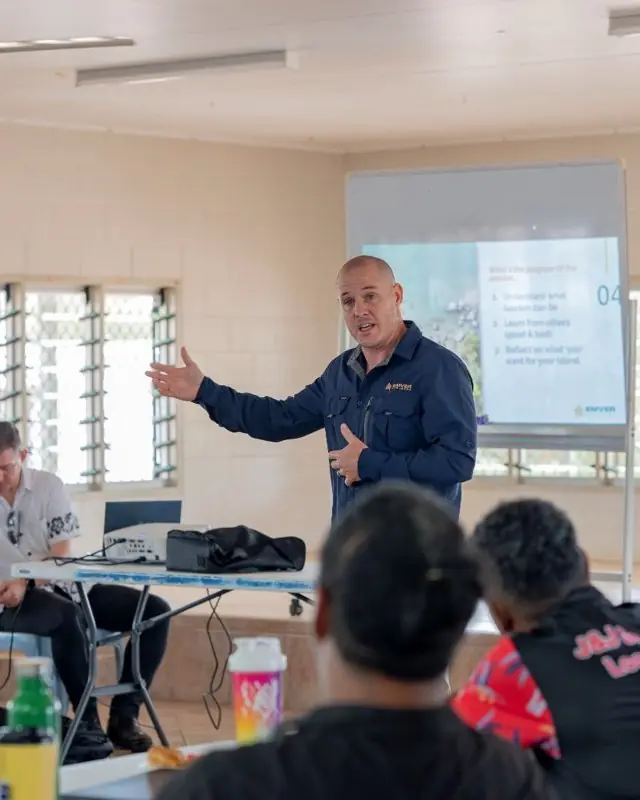
Managing Director, Emver Partners. Lead facilitator.
John has lived on Thursday Island for over a decade and has led construction, engagement, transport and economic development projects across the Torres Strait and Cape York. Tourism is like Fire is built on that work, and on years of sitting in community meetings listening to what operators actually need.
The frameworks taught in this program have been tested in the field: in community consultations, in contract rooms, on remote projects where the cost of getting it wrong is measured in years, not dollars. Participants get the benefit of that experience compressed into a single day.
John facilitates every Tourism is like Fire group personally.
Tourism is like Fire comes out of years of work delivering strategic plans, business plans and feasibility studies for tourism ventures in some of the hardest places in the country to get to.
Emver Partners has delivered tourism and economic development work for councils, the Torres Strait Regional Authority and Traditional Owner organisations. That work only lands when you understand both the reality on the ground and the language funders need to see.
We can write the feasibility study, sit on Country with the community it concerns and keep both rooms talking to each other.
For tourism ventures, regions and Indigenous-led enterprises, designed to be funded and delivered, not shelved.
Tested against real conditions on the ground: logistics, seasons, native title and community continuity.
Translating community vision into the structured documents that funders, banks and partners can read, fund and defend.
Working with councils and government agencies on tourism policy, capability and program design.
Strategic plans, business plans and feasibility studies delivered by Emver Partners.
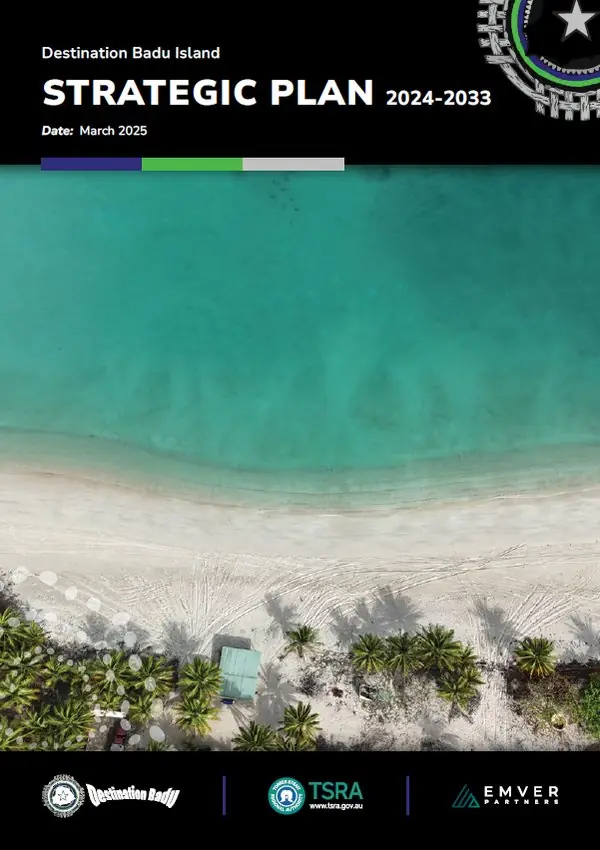
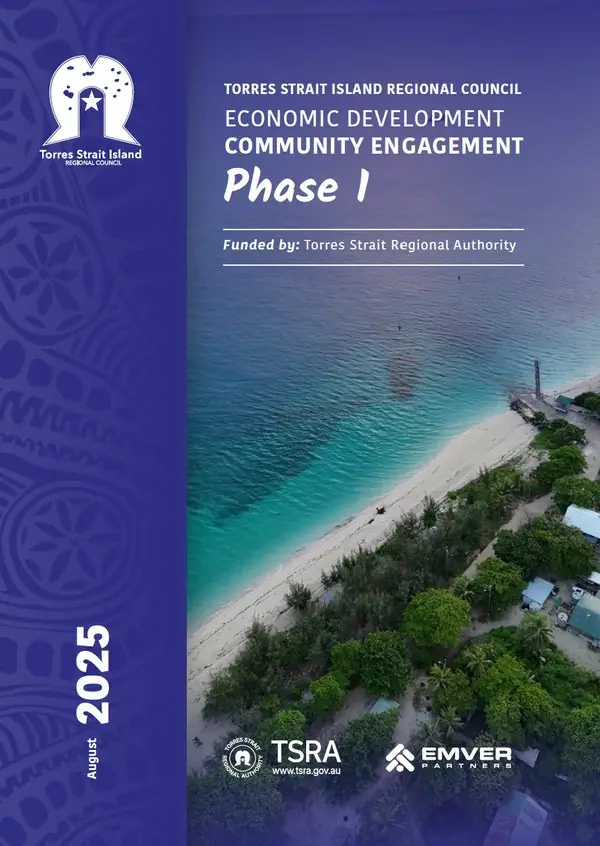
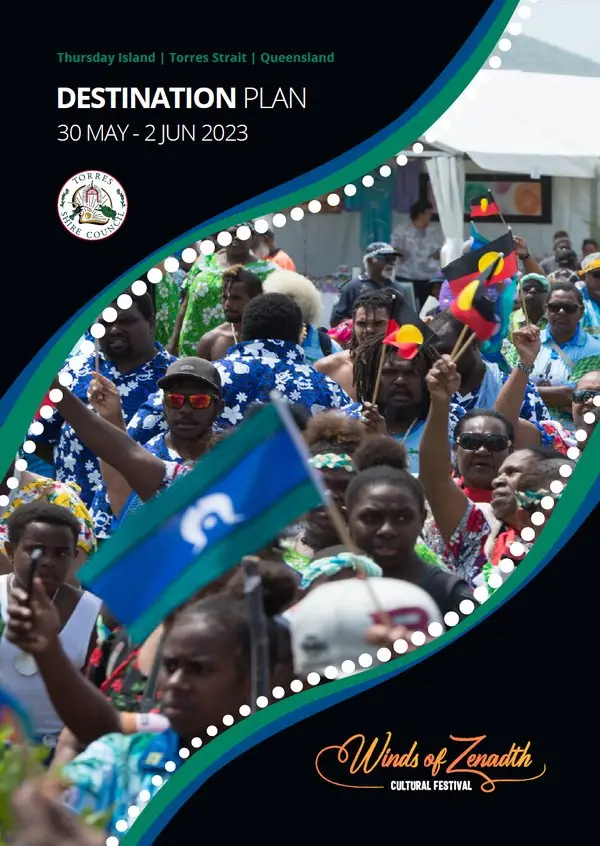
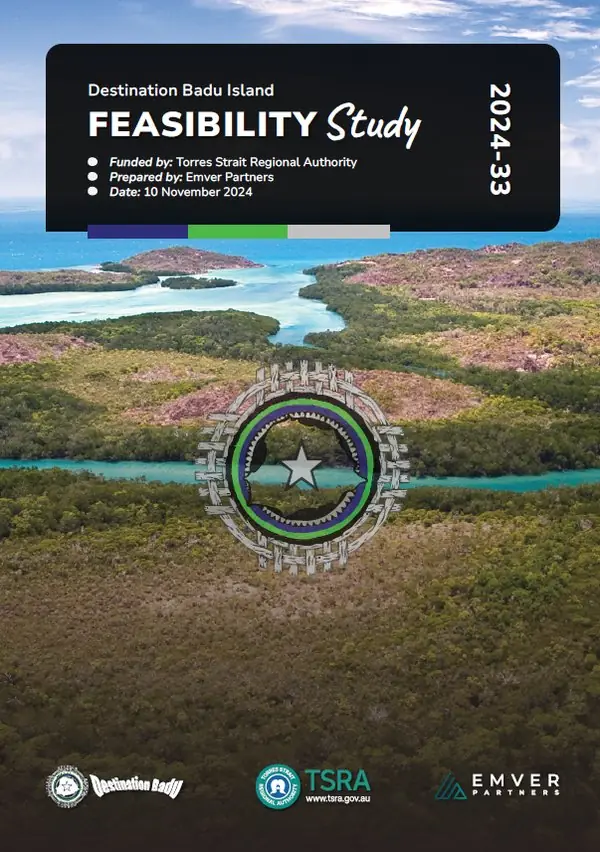
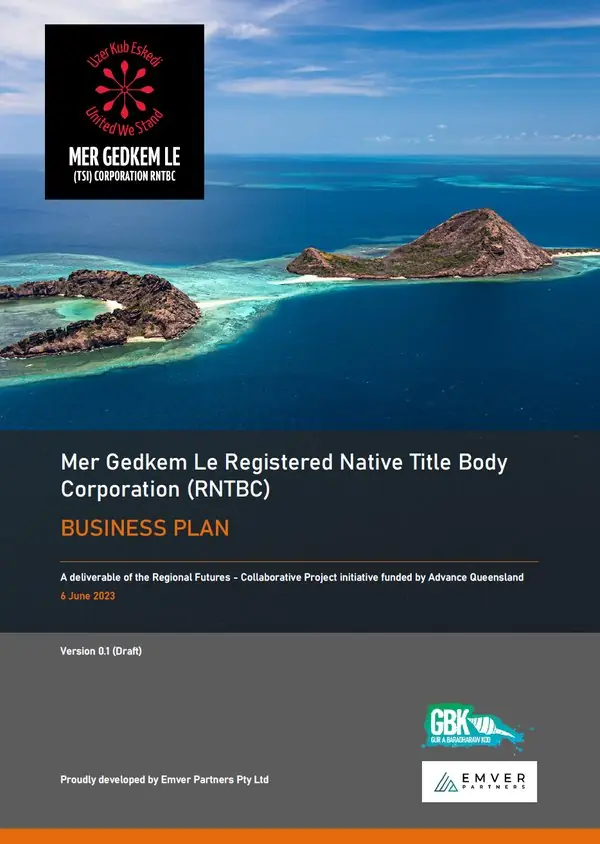
Tourism is like Fire is that work turned into a single day and put back in the hands of the operators, communities and agencies who need it.
Used carelessly, AI leaks your knowledge and your commercial position. Used carefully, it gives a small remote operator some of the backup a city business takes for granted. The difference is knowing what it is, what it keeps and how to stay in charge of it.
Use AI to read agreements, MOUs and operator proposals. Spot exploitative clauses, missing safeguards and revenue distribution traps before they cost you. Demonstrated live in the program against a sample contract.
Build proper pricing scenarios that account for remote logistics, seasonality, contingency and the real cost of operating in remote conditions.
Draft, translate and personalise tourist communications without spending hours at the keyboard. Free up time for actual hosting.
Translate operational knowledge into the language funders use. Get more applications out the door without compromising your voice.
Use AI to surface what comparable operators in similar conditions charge, deliver and protect. Decide what to copy and what to ignore.
We teach the difference between a free tool that learns from your input and a tool that does not. We cover what counts as sensitive information for tourism operators and ranger groups, and how to use AI safely without exporting your community's knowledge to a foreign server.
A working AI toolkit, prompt library and decision framework, built for tourism in remote northern Australia, owned by you, usable from day one.
Every AI exercise in this program uses the RACE Framework, a simple four-step method Northern Academy uses to teach people how to brief AI tools so the answers fit your place, your business and your rules.
The framework keeps participants in the driver's seat. It builds the habit of telling AI what is real, what matters and what is off limits before asking it to help.
The full framework is taught on the day and applied to the live sample contract review. Each participant leaves with a reference card and a worked example.
Taught in full on the day.
Every participant leaves with working tools they can use straight away. A Northern Academy Certificate of Completion is issued at the end of the day to everyone who completes the full program.
A tourism position statement A one-page document defining what tourism your community will and will not accept, ready to share with partners and funders.
A pricing baseline A working price model for your tourism offering, built on real remote operating costs with contingency and viability margins included.
A personal AI toolkit A prompt library and decision framework, tested and tuned during the program. Usable from a phone, on Country.
A 90-day action plan A short, honest plan covering what you do next, who you talk to and what you protect, starting Monday.
A contract review walkthrough The annotated example used in the program. A reference for how to put your own contracts through the same process safely.
Northern Academy Certificate of Completion Issued at end of day. Recognised across Emver Partners programs and useful for funded capability-building reporting.
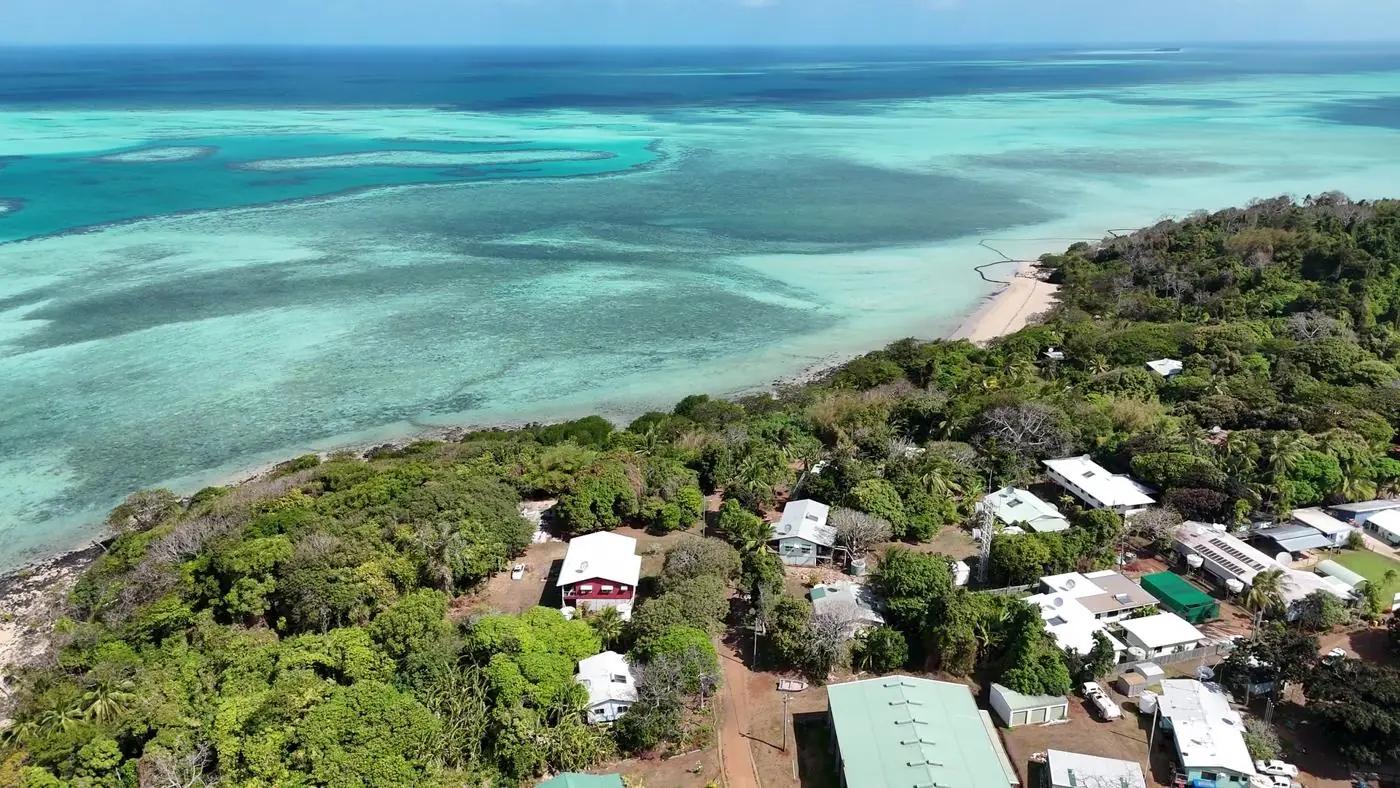
Emver Partners is based on Thursday Island in the Torres Strait, with a second office in Cairns. We deliver regularly across the Torres Strait and Cape York, and the logistics we have learned there apply right across remote northern Australia.
We travel anywhere across the north, including the Northern Territory and the Kimberley, and manage the supplies, scheduling and on-Country logistics that make a one-day program in a remote place actually happen.
From $795 + GST per person.
Prices are a starting point. Your final quote depends on whether a venue needs to be hired, catering, the number of people and the number of sessions. Discounts are available when you book more than one session.
Practical answers to the questions operators, funders and procurement teams put to us most often. If yours isn't here, contact us and we'll come back to you directly.
Tourism is like Fire is a one-day program from Northern Academy, an Emver Partners division based on Thursday Island and in Cairns, for Indigenous-owned tourism operators, ranger groups, PBCs and community-controlled enterprises in remote northern Australia. It covers how to protect culture and Country, price tourism properly and use AI safely. It was piloted on Badu Island in 2025 as part of a wider session and has since been expanded into a full program. Government agencies, NGOs, funders and non-Indigenous operators are welcome.
Northern Academy, a training division of Emver Partners, runs Tourism is like Fire from offices on Thursday Island and in Cairns. John Palmer, Managing Director of Emver Partners, facilitates the day. He has lived on Thursday Island for over a decade and has led engagement, transport and economic development projects across the Torres Strait and Cape York, including tourism plans for Badu Island.
AI can be safe for a tourism business or PBC when people know what never goes into it and how to check what comes back, and Tourism is like Fire starts every day there. The session covers keeping cultural knowledge, guest details and confidential contracts out of public tools, who sees your data, checking AI answers and when not to use AI. Everyone leaves with a plain-language AI use guide they can adapt.
Tourism is like Fire is delivered face to face in the client's community or workplace, on Country wherever practical. Emver Partners has worked across the Torres Strait, including Thursday Island, Badu, Mer, Erub, Dauan, Ugar, Saibai, Masig, Poruma, Warraber, Iama, Boigu and St Pauls on Moa Island. It has also worked in Cape York communities including Bamaga, Weipa, Lockhart River and Cooktown, as well as Cairns. Other locations in northern Australia are available on request.
Tourism is like Fire costs from $795 + GST per person. The final price depends on whether a venue needs to be hired, catering, the number of people and the number of sessions, and discounts are available when you book more than one session. Closed groups, multiple cohorts and funder briefings are quoted on request: use the Contact us button on this page.
Tourism is like Fire teaches three things: how to avoid exploitative tourism partnerships, how to price for real remote conditions and how to use AI safely to protect culture and commercial position. Participants work through case studies including Palau, New Zealand's Tiaki Promise, the Galapagos and Dhimurru. Each leaves with a tourism position statement, a pricing baseline, an AI toolkit and prompt library, a 90-day action plan, an annotated contract review and a certificate of completion.
Used carefully, AI can help a remote or Indigenous-owned tourism operator read contracts and spot exploitative clauses, build pricing models that reflect real costs and draft visitor information and grant applications. It can also help compare an offer with similar operators. Used carelessly, it can leak community knowledge and commercial position. Tourism is like Fire teaches the difference and gives participants working tools they can use safely from the next day.
RACE is a simple four-step method Northern Academy uses to teach people how to brief AI tools so the answers fit your place, your job and your rules. It is taught in full on the day in every Northern Academy program that works with AI. In Tourism is like Fire, participants apply it to a live contract review.
Tourism is like Fire runs for one full day, from 9am to 5pm, with a maximum of twelve participants. Smaller groups are preferred when the day includes sensitive contract review. Lunch is catered. The program is delivered on Country wherever practical.
Tourism is like Fire is not nationally accredited. Northern Academy is not a Registered Training Organisation (RTO). It is a practical one-day program built on Emver Partners' work across the Torres Strait and Cape York. Every participant receives a Northern Academy Certificate of Completion, along with the working tools they build on the day.
Tourism is like Fire may be eligible for grant funding, depending on your organisation and the funding program. Suitable grants and funding programs open regularly through state and federal agencies, and Northern Academy can help you identify current options. Funders and government agencies can also book a closed cohort or a funder briefing for the operators they support.
Tourism is like Fire is face to face only. Northern Academy does not deliver it online, because connectivity across much of remote northern Australia is unreliable and the contract and pricing work runs best in a room together. The facilitator travels to your community or workplace, and the day is run on Country wherever practical.
Northern Academy is not Indigenous-owned. It is a division of Emver Partners, a non-Indigenous firm based on Thursday Island and in Cairns that works alongside Traditional Owner organisations, PBCs and councils. Tourism is like Fire addresses cultural authority directly, but it does not replace Traditional Owner-led cultural training.
To book Tourism is like Fire, use the Contact us button on this page and tell us your location, audience, group size and preferred timing. Northern Academy usually replies within two business days with availability, logistics and a proposal for your group. Operators, PBCs, councils and funders can book a closed cohort, and funders can also request a briefing for their team.
"Tourism is like fire. The real question is who holds the match, who gathers the wood and who decides what gets cooked."
From the original Tourism is like Fire briefing